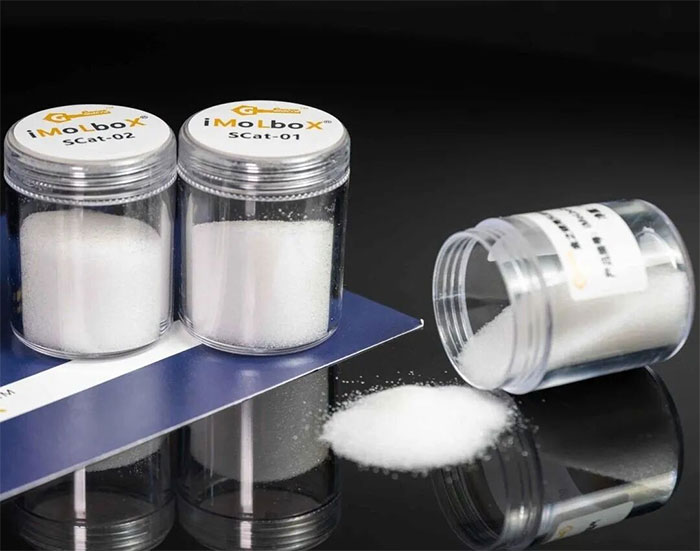
In the landscape of global industrial processes, catalyst products stand as indispensable agents of transformation. These specialized substances – which accelerate chemical reactions while remaining unconsumed – serve as the invisible backbone of modern manufacturing. From petroleum refining to pharmaceutical synthesis, catalysts enable essential processes to proceed with greater speed, selectivity, and energy efficiency, fundamentally shaping our technological capabilities while driving progress toward more sustainable industrial practices.
The unique value of catalysts emerges from their dual functionality as both accelerants and precision instruments. By providing an alternative reaction pathway with lower activation energy, catalysts enable transformations that would otherwise require prohibitively extreme conditions. This intrinsic acceleration capability allows industrial processes to achieve higher throughput with reduced energy consumption.
More significantly, modern catalyst products excel in reaction selectivity – the ability to steer chemical processes toward specific desired outcomes while minimizing byproduct formation. This precision manufacturing capability represents a cornerstone of green chemistry principles, reducing waste generation while improving resource utilization efficiency across countless industrial applications.
High-performance catalysts are distinguished by several key attributes:
Activity: The fundamental capacity to enhance reaction rates
Selectivity: The ability to maximize yield of target products
Stability: Resistance to deactivation mechanisms including thermal degradation and chemical poisoning
These interconnected properties collectively determine a catalyst’s operational lifetime and economic viability, with advanced formulations increasingly designed to maintain performance under challenging conditions.
Catalyst technologies permeate virtually every sector of modern industry:
The energy sector represents the largest application domain, where fluid catalytic cracking, hydrocracking, and reforming processes transform crude oil into transportation fuels and chemical feedstocks. In chemical manufacturing, catalysts enable everything from ammonia production for fertilizers to polymerization processes for plastic materials.
Environmental protection has emerged as another crucial application area. Automotive catalytic converters utilize precious metals to transform harmful emissions into benign compounds, while industrial emission control systems employ specialized catalysts to abate atmospheric pollutants.
The pharmaceutical industry relies on highly selective catalysts for synthesizing complex drug molecules with precise stereochemistry. Meanwhile, emerging energy technologies including fuel cells and water electrolysis systems depend entirely on catalytic processes for their operation.
Catalyst research is increasingly focused on addressing global sustainability challenges. Single-atom catalysis represents a frontier in maximizing the utilization of precious metal resources. Bio-inspired catalyst designs seek to emulate the exquisite efficiency of natural enzymes. Novel catalytic systems are also being developed specifically for circular economy applications, including plastic waste recycling and carbon dioxide valorization.
These advanced catalyst technologies are evolving from mere process enablers to strategic tools for building a more sustainable industrial ecosystem, highlighting their continuing essential role in technological progress.
Catalyst products represent the convergence of fundamental science and industrial application. As sophisticated molecular control systems, they not only drive economic production but also enable cleaner manufacturing paradigms. Their ongoing development will remain instrumental in addressing the interconnected challenges of industrial productivity, resource efficiency, and environmental sustainability that define our century.